If your dog is constantly scratching, rubbing its face against furniture, or dealing with recurring skin infections, allergies are likely the underlying cause. For many dogs living in urban environments, managing allergies is an ongoing challenge that antihistamines and topical treatments alone cannot fully address.
Allergy shots for dogs, clinically known as allergen-specific immunotherapy (ASIT), offer a longer-term solution. Rather than simply suppressing symptoms, this treatment works by gradually retraining the immune system to stop overreacting to the substances that trigger allergic responses.
This guide explains how immunotherapy works, which dogs benefit most, and what the treatment process involves for pet owners in Midtown Manhattan and surrounding neighborhoods.
What Causes Allergies in Dogs?
Allergies in dogs occur when the immune system identifies a harmless substance as a threat and mounts an exaggerated response. These substances are called allergens.
Common allergens in dogs include:
Environmental allergens:
- Pollen from trees, grasses, and weeds
- Dust mites and mold spores
- Dander from other animals
- Airborne pollutants and cigarette smoke
Other allergen types:
- Food proteins such as beef, chicken, dairy, or wheat
- Contact allergens including synthetic fabrics, cleaning products, and grooming products
For dogs living in New York City, environmental allergens are a particularly significant concern. Seasonal pollen from parks, dust mites in apartment buildings, and mold from humidity all contribute to year-round allergy challenges for urban pets.
When a dog’s immune system encounters an allergen, it produces immunoglobulin E (IgE) antibodies. These bind to immune cells that release inflammatory chemicals, producing the symptoms most owners recognize: persistent itching, skin redness, hair loss, and recurring ear or skin infections.
What Are Allergy Shots for Dogs?
Allergy shots for dogs involve administering small, controlled amounts of a dog’s specific allergens through a series of injections over an extended period. The goal is gradual desensitization. Over time, repeated low-dose exposure causes the immune system to become less reactive, reducing both the frequency and severity of allergic episodes.
This approach is one of the most evidence-based allergy treatments for dogs available today. It is also one of the few options that targets the root cause of the immune dysfunction rather than masking symptoms.
Immunotherapy is available in two main delivery forms:
- Subcutaneous injections administered under the skin, typically given at home by the pet owner after initial clinic training
- Sublingual drops placed under the tongue, used as an alternative for dogs that do not tolerate injections well
Both forms use the same principle of gradual immune tolerance building. The choice of delivery method is made in consultation with your veterinarian based on the dog’s temperament and the owner’s comfort level.
How Is the Allergy Serum Formulated?
Allergy injections for dogs are not a generic product. Each serum is customized based on the individual dog’s specific allergy profile, identified through diagnostic testing before treatment begins.
Intradermal Skin Testing
Considered the gold standard for allergy testing in dogs, this method involves injecting small amounts of allergen extracts just beneath the skin and observing reactions within 15 to 20 minutes. The pattern and severity of reactions guide the formulation of the treatment serum.
Serology Testing
This blood test measures the level of allergen-specific IgE antibodies circulating in the bloodstream. It is less invasive than intradermal testing and can be incorporated into a routine wellness exam. Results are used to build a custom allergen serum.
Once testing is complete, a laboratory prepares a solution containing diluted concentrations of the identified allergens. The formulation is adjusted over time as the dog’s immune response changes.
How the Treatment Works Over Time
Immunotherapy is a long-term commitment. Most protocols follow a structured two-phase approach:
| Phase | Typical Duration | What Happens |
| Induction phase | 4 to 6 months | Doses are gradually increased to build immune tolerance |
| Maintenance phase | Ongoing | A stable dose is continued at regular intervals |
Approximately 60 to 80 percent of dogs treated with immunotherapy experience meaningful improvement in symptoms. Some dogs respond within 3 to 6 months. Others may require up to 12 months before noticeable changes occur.
During treatment, dogs may still need medications to manage flare-ups. The goal over time is to reduce reliance on corticosteroids, which carry significant side effects when used long-term.
Who Is a Suitable Candidate?
Not every allergic dog requires allergy shots. Immunotherapy is most appropriate when:
- Symptoms persist for more than three months of the year
- Medications are not providing adequate or consistent control
- Long-term corticosteroid use poses health risks for the individual dog
- Environmental allergies have been confirmed through diagnostic testing
- The pet owner is committed to a multi-month treatment protocol
Dogs with food allergies are generally not treated with immunotherapy. Food allergy management is built around dietary modification, not immune desensitization.
Younger dogs tend to respond better to immunotherapy due to greater immune system adaptability. However, dogs of any age can be evaluated to determine whether they are suitable candidates.
What to Expect as a Pet Owner
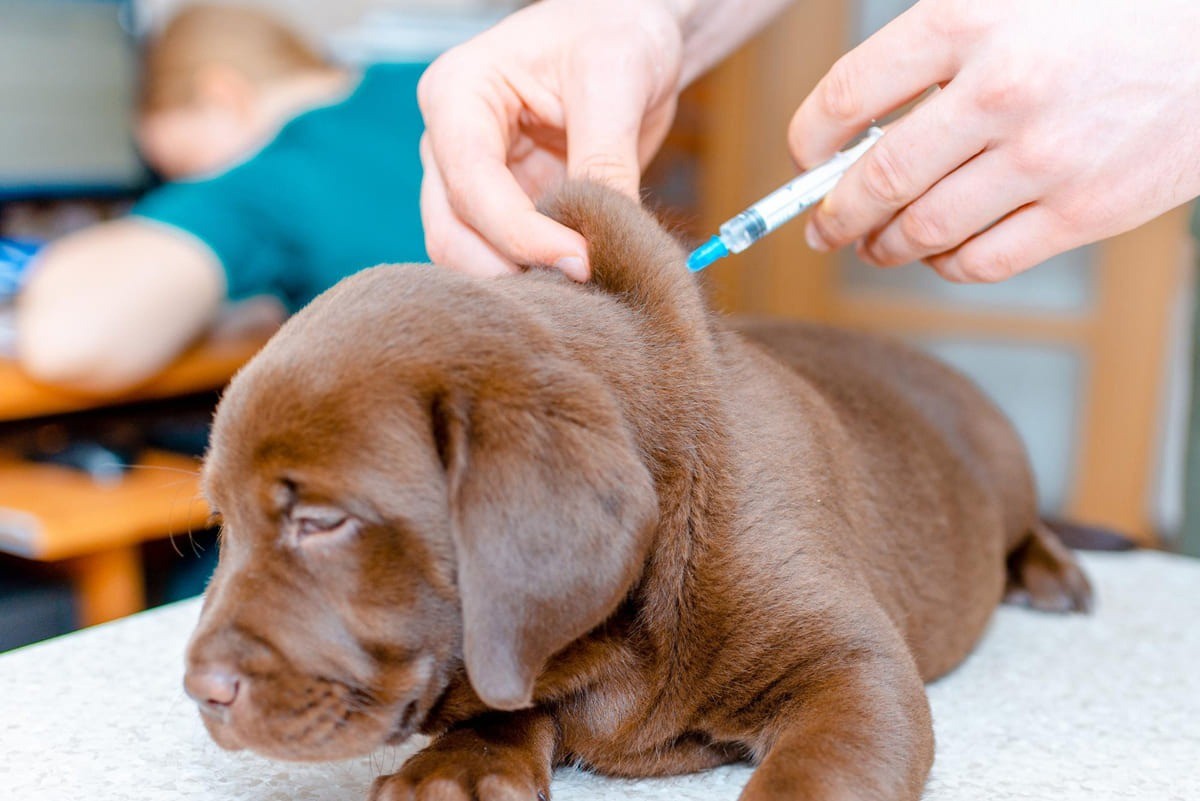
If your veterinarian determines that your dog is a good candidate for allergy injections for dogs, the process follows a clear sequence:
- Allergy testing is performed to identify specific triggers
- A custom immunotherapy serum is prepared by a licensed laboratory
- Initial injections are administered at the veterinary clinic
- Pet owners are trained on how to administer injections at home
- Follow-up appointments are scheduled to monitor progress and adjust the protocol
Home administration is safe and manageable for most pet owners. The veterinary team will walk through the injection technique and explain what side effects to watch for. Mild redness or swelling at the injection site is normal. Systemic reactions are rare but should be reported promptly.
Supporting Treatments That Enhance Immunotherapy
Immunotherapy works best as part of a broader allergy management plan. Additional strategies that support dog allergy relief include:
- Medicated baths to remove allergens from the skin and coat surface and reduce secondary bacterial load.
- Omega-3 fatty acid supplements to support skin barrier function and reduce inflammation
- Apoquel (oclacitinib) or Cytopoint (lokivetmab) to control itch during the early months of immunotherapy before full immune tolerance develops
- Environmental management including HEPA air filtration, regular vacuuming, and weekly washing of pet bedding to reduce allergen load at home
When to Talk to Your Veterinarian
If your dog has been scratching persistently for weeks, experiencing recurring skin or ear infections, or showing signs of worsening skin disease despite medication, a veterinary evaluation is the right next step. A dermatology consultation will determine whether allergy testing and immunotherapy are appropriate for your dog’s specific situation.
Urban pets face unique allergy pressures. Year-round exposure to environmental triggers combined with the density of city living can intensify allergic disease over time. Starting allergy treatments for dogs early tends to produce better long-term outcomes than waiting until symptoms become severe and difficult to manage.
At Midtown Animal Hospital, our team can assess your dog’s allergy history, guide you through the appropriate diagnostic process, and help you determine whether immunotherapy is a realistic and beneficial path forward.
Frequently Asked Questions
Q: How long do allergy shots take to work in dogs?
A: Most dogs show noticeable improvement between 3 and 12 months after starting treatment. The timeline depends on the dog’s allergy severity, the number of allergens involved, and how consistently the treatment protocol is followed throughout each phase.
Q: Can I give allergy injections for dogs at home?
A: Yes. After initial doses are administered at the clinic, most pet owners are trained to continue injections at home. The veterinary team will demonstrate the correct technique and explain what signs to monitor after each dose is given.
Q: Are allergy shots the only treatment option for dogs with chronic allergies?
A: No. Several allergy treatments for dogs exist, including Apoquel, Cytopoint, and cyclosporine. However, immunotherapy is the only option that addresses the underlying immune dysfunction rather than controlling symptoms. Your veterinarian can recommend the best approach.
Q: Do allergy shots work for food allergies in dogs?
A: No. Immunotherapy is formulated for environmental allergens, not food proteins. Food allergy management requires a strict elimination diet trial under veterinary supervision to identify the offending ingredient and remove it from the dog’s diet permanently.
Q: Is immunotherapy safe for all dogs?
A: Immunotherapy is considered safe for most dogs. Mild local reactions at the injection site are expected and normal. Serious systemic reactions are rare. Your veterinarian will provide a detailed protocol and instructions on what to watch for after each administration.