
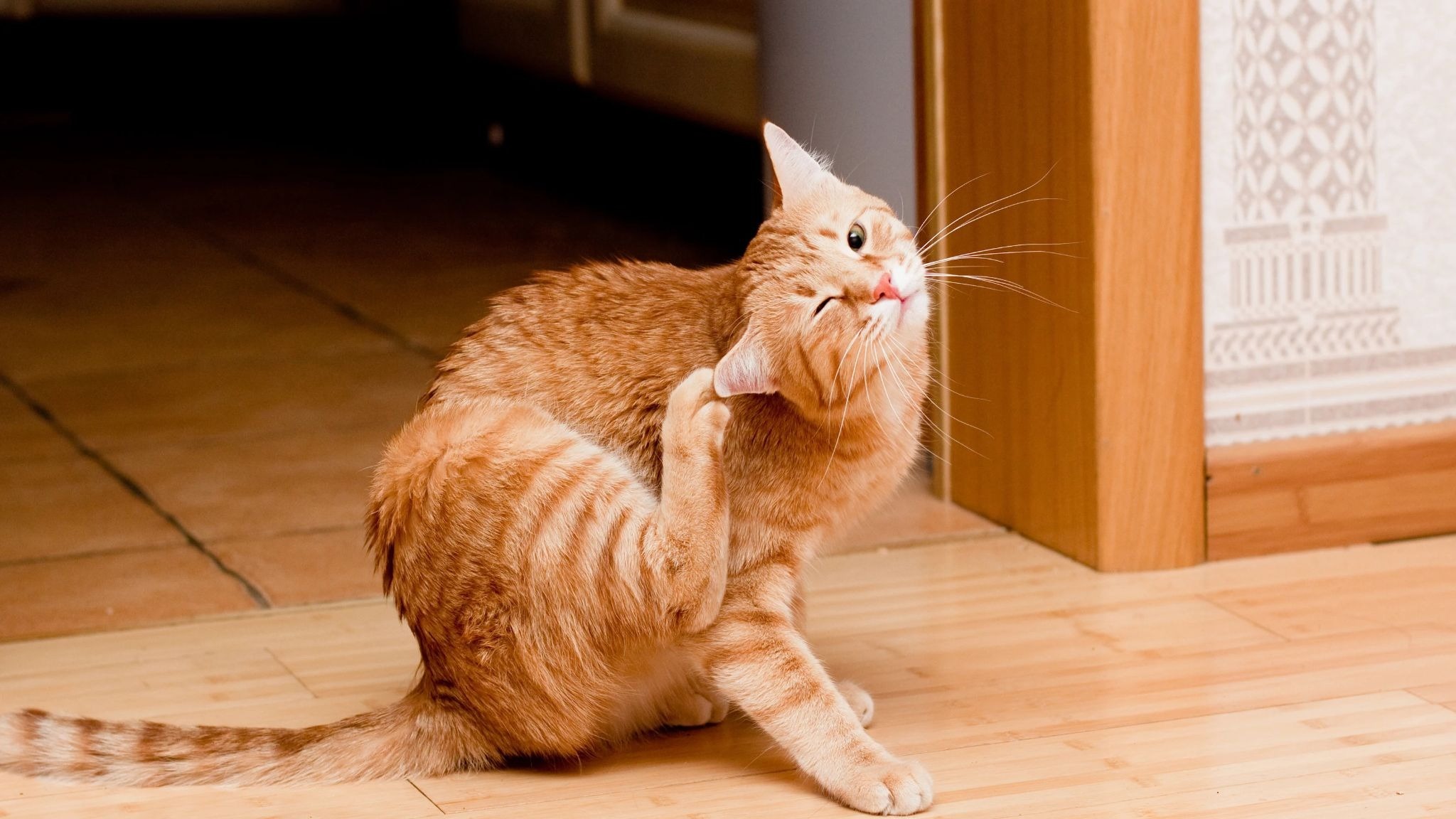
Cats are naturally private animals. They mask discomfort well, and many owners do not realize something is wrong until skin symptoms have already progressed. Skin allergies in cats are among the most underdiagnosed conditions in companion animal medicine, largely because the signs are easy to dismiss as normal grooming behavior or minor irritation.
The earlier an allergy is identified, the easier it is to manage. This guide walks cat owners through the causes, symptoms, diagnostic process, and treatment options available so that nothing gets missed.
Why Cats Develop Skin Allergies
An allergy is an immune system error. The body identifies a harmless substance as a threat and launches an inflammatory response to defend against it. In cats, this response most often affects the skin.
Cat skin allergies can develop at any point in life, though they most commonly appear between 6 months and 3 years of age. Once a cat develops an allergy, it tends to persist and often worsens over time without proper management.
There are four primary categories of allergens responsible for skin allergies in cats.
Environmental Allergens
Cats can react to many of the same environmental substances that affect humans and dogs:
- Dust mites
- Mold spores
- Pollen from grasses, trees, and weeds
- Cigarette smoke
- Perfumes and aerosol cleaning products
For cats living in Manhattan apartments, dust mites and mold are particularly relevant. Older buildings with limited ventilation and frequent humidity fluctuations create conditions where these allergens thrive throughout the year.
Food Allergens
Food allergies in cats are a true immune-mediated reaction, not simply a digestive intolerance. The most frequently implicated proteins include beef, chicken, fish, dairy, and eggs.
An important distinction for cat owners is that food allergies can develop to ingredients a cat has eaten regularly for years. A recent diet change is not required for a food allergy to emerge. Ruling out a food allergy typically requires an 8 to 12 week strict elimination diet trial under veterinary guidance.
Flea Allergy Dermatitis
Flea allergy dermatitis is one of the most common causes of a cat allergy skin rash. Cats affected by this condition react to proteins in flea saliva. A single bite is enough to trigger a prolonged, intense immune response in sensitive individuals.
Many owners of indoor cats assume flea exposure is not possible. Fleas can enter an apartment on clothing, shoes, or through contact with other animals in shared spaces. Indoor cats in multi-unit buildings are not fully protected without consistent flea prevention.
Contact Allergens
Contact allergies result from direct physical contact with a triggering substance. These are less common than other allergy types but should be considered when reactions are localized or closely linked to a specific item in the environment.
Common contact allergens include synthetic fabrics, rubber or plastic food bowls, certain shampoos or topical products, and household cleaning solutions used on floors or surfaces where cats rest.
How Skin Allergies Present in Cats
Unlike dogs, cats do not always present with straightforward scratching behavior. Their allergic skin responses tend to follow specific clinical patterns that may not be immediately recognizable as allergy-related.
Miliary Dermatitis
This is one of the most common presentations of cat skin allergies. It appears as clusters of small, crusty bumps scattered across the skin, most often along the back, neck, and base of the tail. The bumps are usually felt before they are seen, particularly in cats with thick coats.
Eosinophilic Granuloma Complex
This term describes a group of inflammatory skin lesions that appear in different forms:
| Lesion Type | Appearance | Common Location |
| Indolent ulcer | Well-defined, erosive lesion | Upper lip |
| Eosinophilic plaque | Raised, red, moist, intensely itchy | Abdomen, inner thighs |
| Linear granuloma | Raised, elongated firm lesion | Rear legs, face |
These lesions are a pattern of reaction, not a diagnosis in themselves. They require further investigation to identify the underlying cause.
Symmetrical Hair Loss
One of the most frequently missed signs of cat skin allergies is symmetrical hair loss caused by over-grooming. Many cats increase grooming frequency in response to itch, which leads to thinning or bald patches on the belly, inner thighs, and flanks. Because cats groom privately, owners often attribute the hair loss to shedding rather than self-trauma.
Head and Neck Scratching
Intense, repetitive scratching around the face, neck, and ears is strongly associated with food allergies in cats. Affected cats may scratch to the point of creating visible wounds or scabbing around the neck and behind the ears.
Gastrointestinal Symptoms
Food allergies in cats frequently affect the digestive system alongside the skin. Pet owners should note if skin symptoms appear alongside chronic vomiting, loose stools, or more frequent bowel movements, as this pattern strongly suggests a dietary trigger.
Diagnosing Skin Allergies in Cats
There is no single test that identifies all cat allergy types. Diagnosis requires a structured, step-by-step approach that rules out each potential cause.
A typical diagnostic process includes:
- Full physical examination to assess lesion type, location, and severity
- Skin cytology to identify secondary bacterial or yeast infections
- Skin scraping to rule out mites and other parasitic causes
- Complete flea control applied to all household pets before proceeding
- Strict dietary elimination trial using a hydrolyzed or novel protein diet for 8 to 12 weeks
- Intradermal skin testing or allergen blood testing to identify environmental allergens
Patience is an important part of this process. Multiple factors can contribute to allergic skin disease at once, and resolving each variable individually takes time. Attempting to skip steps tends to produce inaccurate results and delays effective treatment.
Treatment Options for Cat Skin Allergies
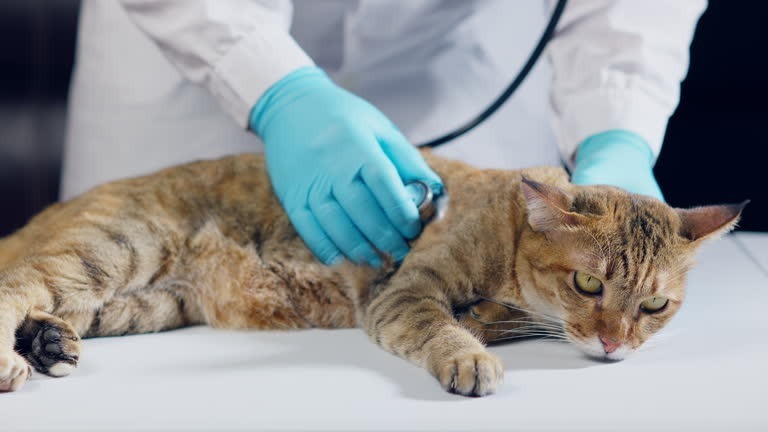
The right treatment depends entirely on what is causing the reaction. A confirmed diagnosis guides everything that follows.
Medications for Symptom Control
Several medications are used to reduce inflammation and itch in allergic cats:
| Medication | Role |
| Prednisolone (corticosteroid) | Reduces inflammation; used short-term or intermittently |
| Cyclosporine | Long-term immune modulation for environmental allergy |
| Oclacitinib (Apoquel) | Controls itch associated with environmental allergies |
| Antibiotics or antifungals | Treat secondary skin infections that develop from self-trauma |
Long-term corticosteroid use in cats carries real risks, including diabetes mellitus and increased susceptibility to infection. These medications require careful monitoring and should be used at the lowest effective dose for the shortest necessary period.
Allergen-Specific Immunotherapy
For cats with confirmed environmental allergies, allergen-specific immunotherapy is a long-term management option. It involves administering small, gradually increasing doses of identified allergens through injections or sublingual drops to reduce immune hypersensitivity over time.
Results from immunotherapy develop slowly, often over 6 to 12 months. It is particularly valuable for cats whose symptoms require continuous medication to control, as it may reduce or eliminate long-term drug dependence.
Dietary Management
If a food allergen is confirmed through an elimination diet trial, the treatment is strict and permanent avoidance of that ingredient. This means feeding only the prescribed diet with no treats, flavored medications, or supplemental food sources outside of it.
Prescription hydrolyzed and novel protein diets carry manufacturing controls that reduce the risk of cross-contamination with common allergens.
Environmental Allergen Reduction
Reducing the allergen load in the cat’s environment supports medical treatment and may reduce the frequency or severity of flare-ups:
- Run a HEPA air purifier in the room where the cat spends most of its time
- Wash bedding weekly in hot water
- Vacuum carpets and upholstered surfaces frequently
- Replace plastic food bowls with stainless steel or ceramic options
- Avoid aerosol sprays, strong cleaning products, and scented candles in shared spaces
When Secondary Infections Are Present
Damaged skin creates an entry point for bacteria and yeast. Secondary infections are extremely common in cats with ongoing skin allergies and can make symptoms significantly harder to manage.
Signs of a secondary infection include skin that smells unusual, appears greasy or crusty, or shows yellow discharge. These infections require targeted antibiotic or antifungal treatment alongside allergy management. Treating the infection alone without addressing the underlying allergy will result in recurrence.
Knowing When to Seek Veterinary Care
Many cat owners wait too long to seek evaluation, hoping skin symptoms will resolve on their own. A veterinary appointment is appropriate when:
- Scratching or grooming has been persistent for more than two weeks
- Visible hair loss, skin lesions, or crusting are present
- The cat is scratching to the point of causing wounds
- Symptoms are worsening despite home management attempts
- Recurring ear infections are present alongside skin changes
- Digestive symptoms accompany the skin condition
Early intervention leads to better outcomes and prevents the cycle of infection and inflammation that makes allergic skin disease increasingly difficult to control.
If your cat is showing any of these signs, the team at Midtown Animal Hospital is available to help identify the cause and build a management plan suited to your cat’s specific needs.
Frequently Asked Questions
Q: Can indoor cats develop skin allergies?
A: Yes. Indoor cats are regularly exposed to dust mites, mold spores, and airborne allergens present in the home. Food allergies can also affect indoor cats. Flea allergy dermatitis is possible if fleas enter on clothing or other pets sharing the space.
Q: How is a cat allergy skin rash different from a regular skin infection?
A: Allergic lesions tend to be recurring and distributed in characteristic patterns such as the neck, belly, or back. Infections are often secondary to allergy. A veterinarian uses skin cytology to distinguish between the two and determine the appropriate course of treatment.
Q: Is it possible for a cat to be allergic to their food after eating it for years?
A: Yes. Food allergies develop through repeated immune sensitization and can emerge to any ingredient at any point in a cat’s life. A history of tolerating a food does not rule it out as a potential allergen. An elimination diet trial confirms or excludes dietary causes.
Q: What does over-grooming look like in an allergic cat?
A: Over-grooming from allergies produces symmetrical patches of thinning fur or complete hair loss, most often on the belly, inner thighs, and flanks. The skin underneath may appear normal or mildly irritated. It is frequently mistaken for excessive shedding by cat owners.
Q: How long does it take to diagnose a food allergy in cats?
A: A dietary elimination trial takes 8 to 12 weeks to produce reliable results. During this period, the cat must eat only the prescribed diet with no other food sources. Shorter trials or dietary inconsistencies produce inconclusive results and extend the diagnostic process.