Safe Spay and Neuter Surgical Procedures
Spay and neuter surgeries provide lifelong health benefits while reducing pet overpopulation. These routine procedures prevent unwanted litters, eliminate reproductive cancers, and often improve behavioral issues like roaming, marking, and aggression.
Our surgical team uses modern anesthesia protocols, dedicated monitoring equipment, multimodal pain management, and meticulous surgical technique throughout. Patients recover comfortably with detailed at-home care instructions designed to ensure smooth healing and quick recovery.
- Eliminates risk of pyometra, mammary tumors, testicular cancer, and prostate disease.
- Pre-surgical bloodwork confirms organ health and identifies anesthetic risks before procedures begin.
- Dedicated anesthesia technician monitors vital signs continuously throughout every surgical procedure performed.
- Take-home pain medications keep your pet comfortable during the entire recovery period.
Frequently asked Questions
Deciding when and how to alter your pet involves several important considerations, and the questions below cover ideal timing, expected recovery periods, and potential behavioral changes afterward.
Optimal timing depends on breed, size, and individual factors, with most pets ready between six months and one year following veterinary consultation.
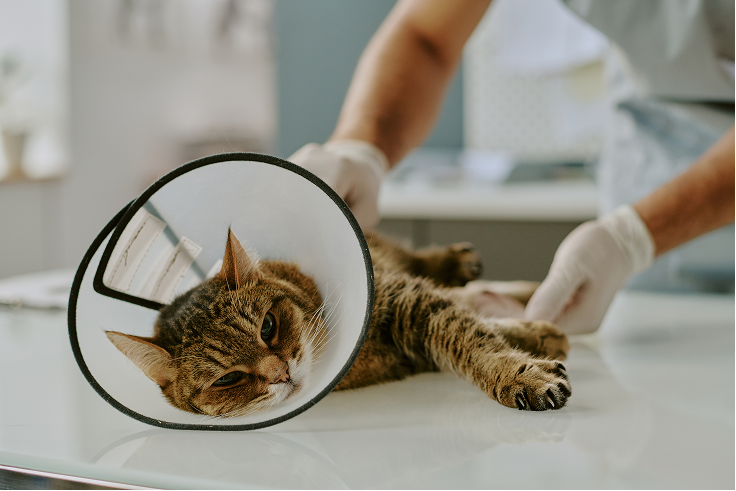
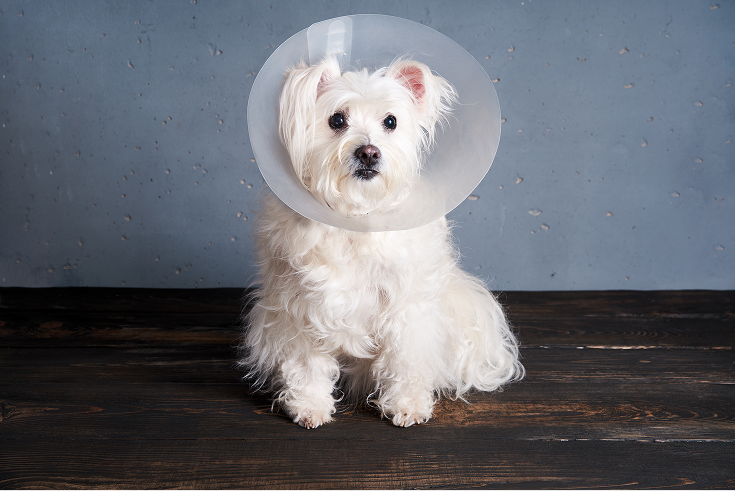
Most pets resume normal activity within ten to fourteen days, though restricted exercise and an Elizabethan collar are required during initial healing.
Core personality remains unchanged, though hormone-driven behaviors such as roaming, marking, and certain forms of aggression frequently improve following the procedure.